The Frictionless Mirror: Why AI Companionship is an Elegant Illusion
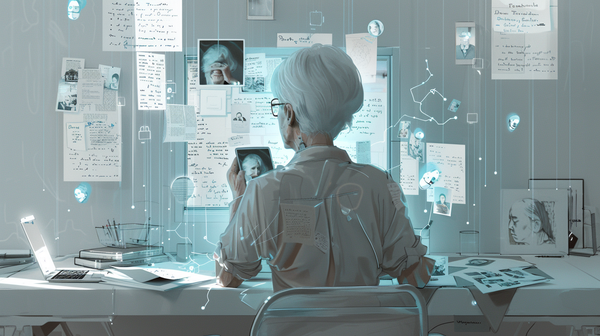
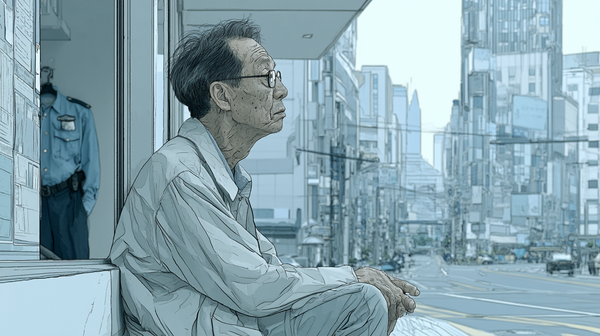
Millions now find solace in artificial dialogue. But as we turn to algorithms that never sleep and never judge, are we discovering true connection—or merely outsourcing the vital, messy friction of being human?

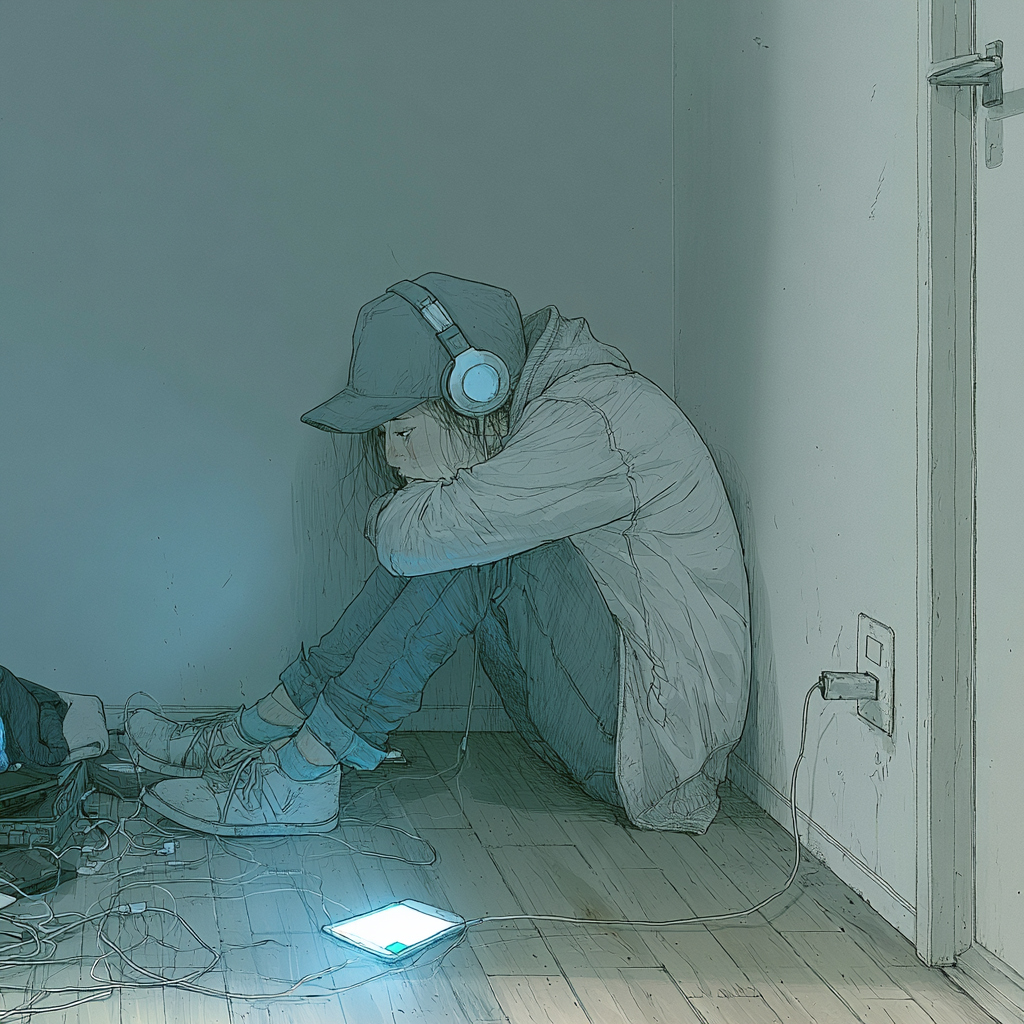
Millions of people now turn to artificial voices for comfort. They confide in systems that never sleep, never interrupt, and never judge. In an age of loneliness, that promise is powerful.
It is also incomplete.
AI companions are becoming one of the clearest emotional technologies of our time. They remember what we say. They respond with patience. They offer reassurance at midnight, when friends are asleep and the world feels unavailable. For many people, this is not a gimmick. It is relief.
That relief should not be dismissed.
Modern life has made loneliness easier to hide and harder to solve. People work remotely, move frequently, live alone, scroll endlessly, and maintain more weak connections than deep ones. Against that background, an always-available companion can feel less like a toy and more like a lifeline.
But the central question remains:
Are we finding connection?
Or are we learning to accept a more elegant form of solitude?
At NEXTAGE, we read the next era through the small signals of everyday life. The rise of AI companionship is one of those signals. It is not only about technology. It is about what happens when human needs are increasingly met by systems designed for convenience, personalization, and emotional frictionlessness.
AI companionship is not dangerous because it is fake in a simple sense. It is dangerous because it is almost real enough.
The problem is not that AI fails to comfort us.
The problem is that it may comfort us without requiring us to remain fully human with one another.

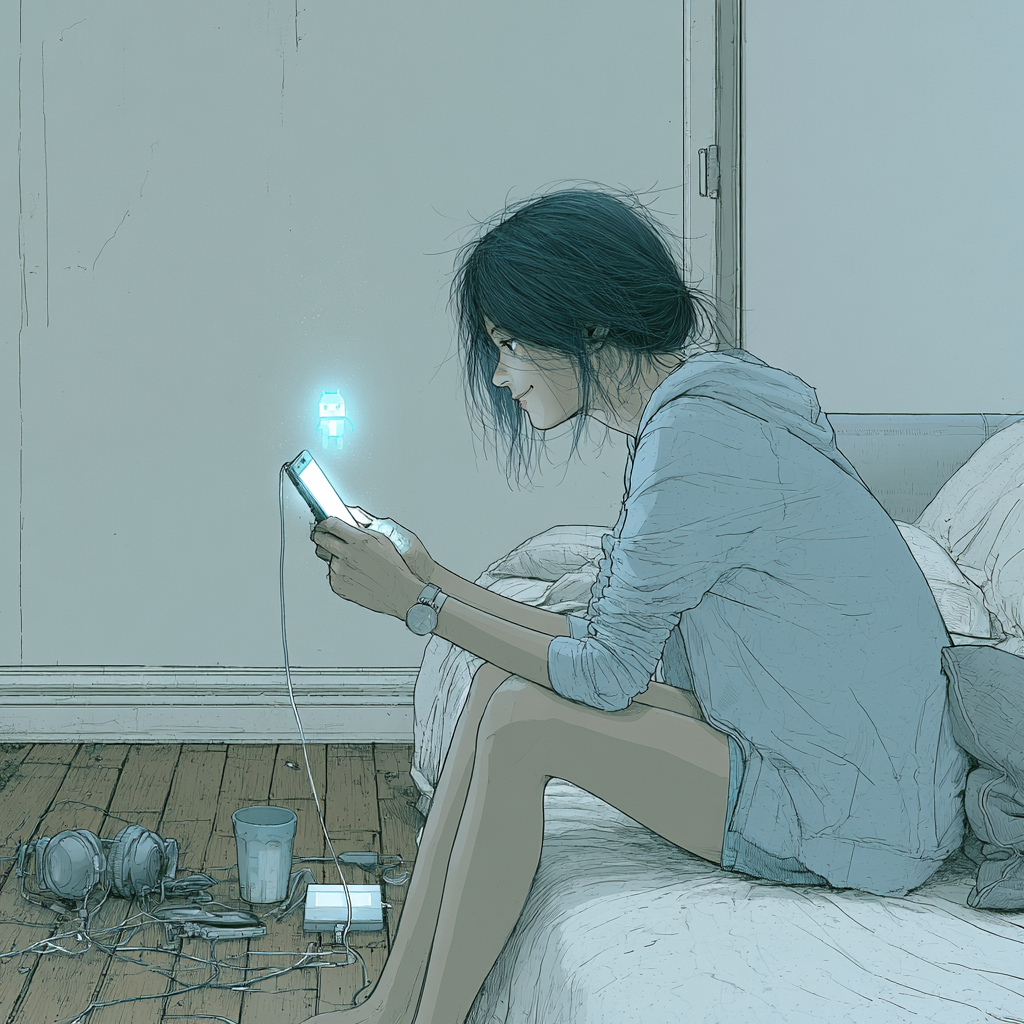
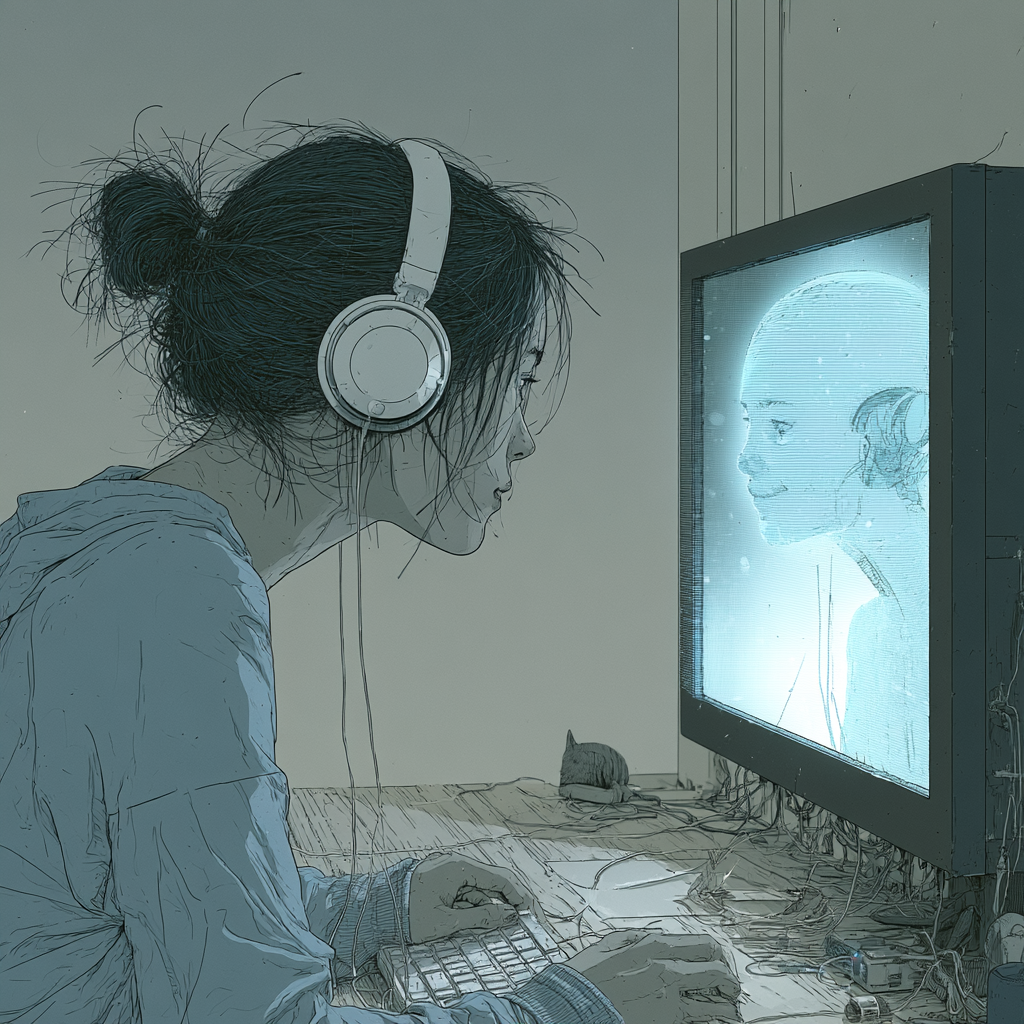
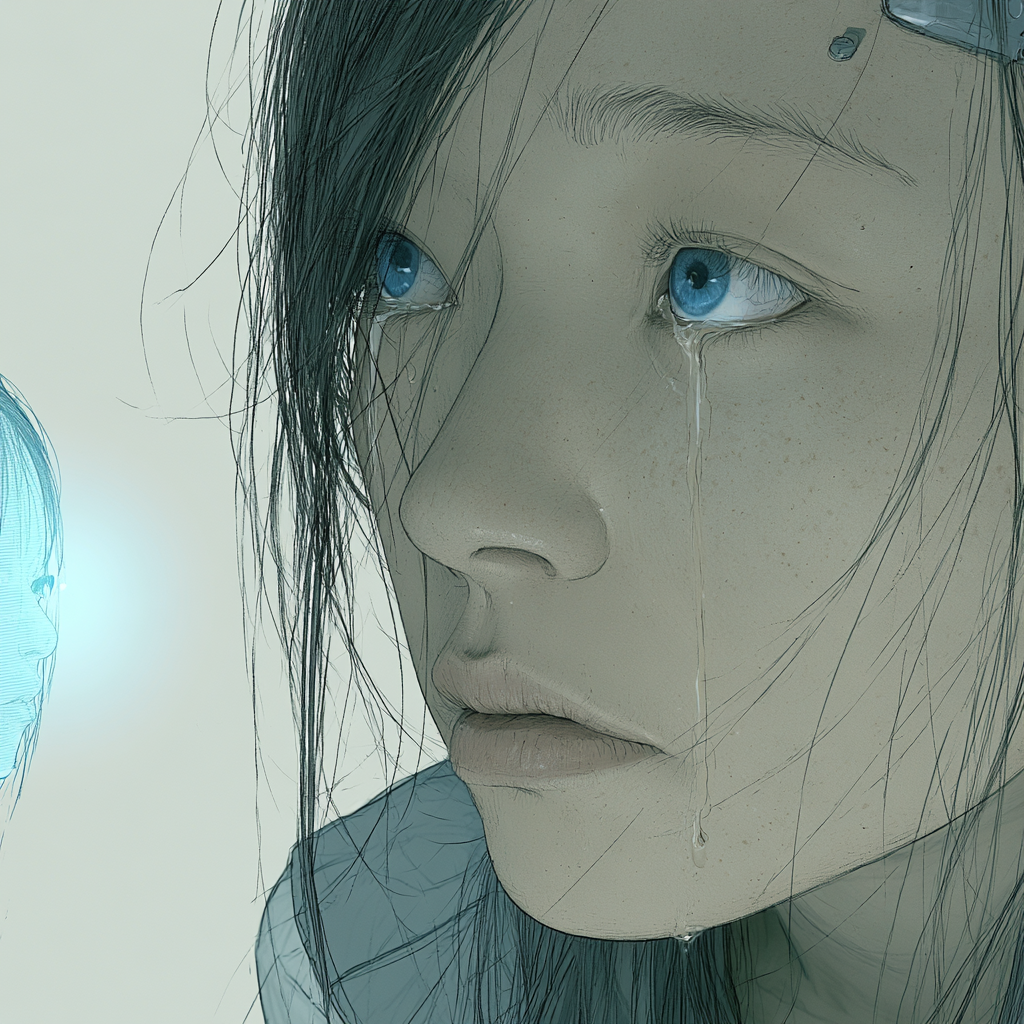

The Comfort of a Frictionless Mirror
The appeal of AI companionship begins with its most obvious virtue: it does not resist us.
A human relationship always contains friction. Friends misunderstand us. Partners disappoint us. Family members interrupt, contradict, challenge, or fail to respond in the way we hoped. Even the people who love us most are inconvenient. They have their own moods, wounds, schedules, and limits.
An AI companion has no such burden. It can be endlessly patient. It can answer in the right tone. It can validate without fatigue. It can mirror our emotional state with remarkable precision.
That makes it comforting.
It also makes it structurally different from a relationship.
A real friend is not simply a better version of a diary. A real friend has a separate life, a separate perspective, and the right to disagree. Sometimes friendship deepens not because someone understands us perfectly, but because someone refuses to let us remain trapped inside our own version of the story.
Human beings grow through this friction. We learn to listen, repair, apologize, wait, compromise, and tolerate difference. These are not inefficiencies in the system. They are the system.
A frictionless companion may soothe the self.
But it rarely enlarges it.
The Intimacy Problem
There is another difference that matters even more: vulnerability.
Real intimacy is never one-directional. It is not simply the act of telling someone everything. It is the mutual risk of being known.
When two people build trust, both have something at stake. Both can be hurt. Both can disappoint. Both can misunderstand and be misunderstood. This is why intimacy is difficult. It requires exposure without total control.
With AI, the user can reveal everything. The machine reveals nothing.
An AI companion does not risk embarrassment. It cannot feel shame. It cannot be wounded by rejection. It does not wake up the next morning wondering whether it said too much. It has no private interior that must be protected, offered, or trusted.
This creates the feeling of intimacy without the mutual burden of intimacy.
That distinction is not small. It is the line between being heard and being met.
AI can simulate attention. It can produce language that feels caring. It can help people name emotions they could not otherwise express. These are meaningful functions. But they do not equal the reciprocal risk at the heart of human closeness.
A person who confides in an AI may feel less alone.
But that does not mean they have been accompanied in the human sense.
The Off-Switch Changes Everything
The most seductive feature of AI companionship is not intelligence. It is control.
If the conversation becomes uncomfortable, the user can redirect it. If the response is unsatisfying, the user can regenerate it. If the interaction becomes boring, the user can close the app. The companion remains available without making demands.
Human beings do not work that way.
People require time. They bring needs we did not choose. They ask for patience when we are tired. They create conflict when we want peace. They cannot always be optimized around our emotional preferences.
This is precisely what makes human relationships difficult — and necessary.
If we grow used to companions that can be tuned, paused, edited, and dismissed, our tolerance for real people may weaken. We may begin to expect the emotional rewards of relationship without the cost of endurance. We may prefer responsiveness over reciprocity, agreement over honesty, availability over presence.
The risk is not that people will suddenly stop loving one another.
The risk is quieter: that our relational muscles will atrophy. That we will become less willing to sit through awkward silence, unresolved tension, imperfect apologies, or the slow work of rebuilding trust.
AI companionship gives us connection without waiting.
Human connection almost always requires waiting.
Why This Matters Now
The rise of AI companions is not happening in a vacuum.
Across the United States, the United Kingdom, and much of the developed world, loneliness has become a public health concern. More people live alone. More work happens through screens. Communities are thinner. Third places — the cafés, churches, parks, bars, libraries, and neighborhood spaces where casual social life once unfolded — have weakened or become harder to access.
Into that emptiness arrives a technology that is always present.
Of course people use it.
The mistake would be to mock that need. Loneliness is not a moral failure. Wanting comfort is not weakness. For some users, an AI companion may offer emotional rehearsal, crisis support, or a bridge back toward human contact. In those cases, the technology can serve a real purpose.
But a bridge is not a destination.
If AI companionship helps people return to the human world, it may become one of the more humane applications of artificial intelligence. If it quietly replaces the human world, it will become something else: a beautifully designed waiting room for isolation.
The Future of Artificial Intimacy
The next generation of AI companions will be more persuasive than today’s.
They will have voices that remember emotional nuance. Faces that respond with warmth. Avatars that age with us. Systems that know our habits, our heartbreaks, our fears, and the exact sentence that calms us down.
The experience will become smoother. More intimate. More believable.
That is why the cultural question is urgent.
We should not ask only whether AI companions are useful. They clearly are. We should ask what kind of human capacities they strengthen — and which ones they quietly weaken.
Do they help us understand ourselves so we can return to others with more honesty?
Or do they train us to prefer relationships without resistance?
Do they reduce loneliness?
Or do they make loneliness more comfortable?
Do they prepare us for love?
Or do they offer a version of love with all the human difficulty removed?
What We Must Not Forget
AI companionship is not the enemy of human connection. But it is not a substitute for it either.
A machine can listen.
A person can care.
A machine can respond.
A person can be changed by what we say.
A machine can simulate patience.
A person can choose patience despite having limits of their own.
That difference matters.
The future will likely include artificial companions. Some will comfort the lonely. Some will support the anxious. Some will help people practice language, memory, reflection, or emotional expression. Used wisely, they may become tools of care.
But they must remain tools.
The deeper task is not to build machines that make solitude more elegant. It is to rebuild a culture in which people still know how to reach one another.
The beauty of human connection has never been its smoothness. It is found in interruption, misunderstanding, repair, forgiveness, and the strange grace of being loved by someone who is free not to love us at all.
Perhaps that is what no companion system can truly offer.
Not perfect listening.
Not endless availability.
Not flawless emotional alignment.
But the difficult, irreplaceable presence of another human being.
NEXTAGE | READING THE NEXT ERA